
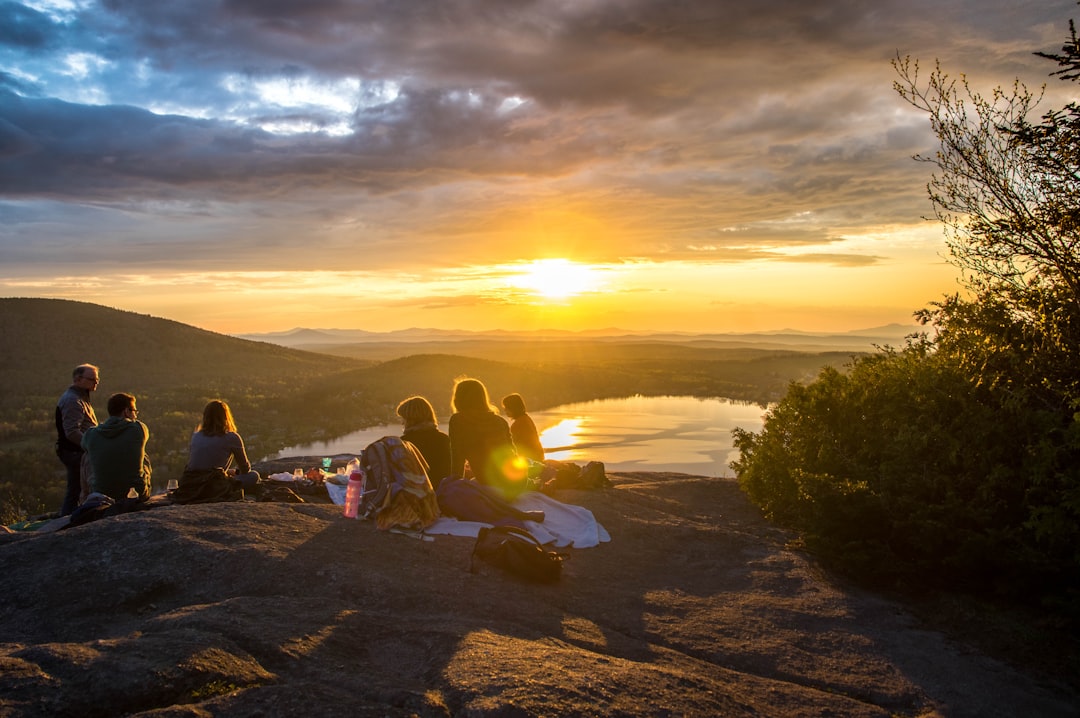
In our fast-paced digital age, finding solace in nature might seem like a luxury. Yet, the benefits of spending time outdoors go far beyond a mere escape from screens and notifications. Outdoor adventures serve as nature’s classroom, offering invaluable lessons and profound impacts on mental well-being.
Scientific studies have long touted the benefits of spending time in nature. One of the most compelling advantages is the reduction in stress levels. Engaging with the natural environment lowers cortisol, the stress hormone, and boosts endorphin levels, which improve mood and mental health. Whether it’s a hike in the mountains, a stroll through the park, or a camping trip under the stars, the calming influence of nature is undeniable.
Beyond stress reduction, outdoor activities are known to enhance creativity and cognitive function. The term ‘nature therapy’ isn’t just a catchy phrase; it’s rooted in evidence. When you unplug and immerse yourself in nature, your mind enters a state of relaxation and clarity. This mental reset can foster creativity, improve problem-solving skills, and even enhance your ability to concentrate.
The psychological benefits of outdoor adventures are closely linked to the concept of mindfulness. Being present in nature encourages a heightened awareness of your surroundings and a deeper connection with the environment. Activities like bird-watching, kayaking, or simply walking along a nature trail can help cultivate mindfulness, allowing you to live in the moment and appreciate the beauty around you.
Moreover, the physical benefits of outdoor activities contribute significantly to mental health. Exercise releases endorphins, the body’s natural mood lifters. Whether you’re cycling through scenic routes or climbing challenging terrains, the physical exertion and the subsequent release of these feel-good chemicals lead to an improved mood and increased energy levels.
For those seeking a sense of community and belonging, group outdoor activities offer the perfect solution. Joining a hiking club, participating in outdoor yoga sessions, or taking part in organized clean-up drives fosters social connections and combats feelings of loneliness and isolation. The shared experiences in natural settings create bonds and encourage a supportive network.
For individuals grappling with anxiety or depression, nature provides a sanctuary. The simple act of observing the vastness of a mountain range or the tranquility of a flowing river can offer perspective, reminding us of our place in the world and reducing feelings of insignificance and despair.
In conclusion, outdoor adventures offer more than just physical activity or scenic beauty. They are a pathway to mental rejuvenation, offering stress relief, boosting creativity, and enhancing mindfulness. By stepping into nature, we not only step away from the hustle and bustle of everyday life but also step into a realm of peace, perspective, and positivity. So, lace up those hiking boots, grab a map, and let nature be your guide to a healthier mind.